

You have £100 sitting in your bank app, and a voice in your head keeps asking what happens if the platform collapses or the market swallows it whole. That fear is normal, and it is also the reason most beginners never start.
Here is what almost nobody explains clearly: FSCS protection has two completely different numbers depending on what you hold, and most comparison sites get it wrong.
Stick with this guide, and by the end you will know exactly which of the best trading platforms for beginners UK actually protect you, and how to start with £100 without gambling blind.
What FSCS Protection Really Covers (And What It Doesn’t)

Every UK finance article throws around “£85,000 protected” like it is one simple number. It isn’t.
The Two Limits Nobody Separates
The Financial Services Compensation Scheme protects cash deposits up to £120,000 per person, per institution, following a December 2025 increase. But money held as investments — shares, ETFs, a stocks and shares ISA — is protected only up to £85,000 per person, per authorised firm. If you’re comparing the best trading platforms for beginners UK, this distinction decides how much of your money is actually safe if a firm fails.
What FSCS Does Not Cover
FSCS steps in only when an FCA regulated broker collapses and your assets go missing. It does not cover a stock that falls in value. If your ETF drops 15% because markets fall, that loss is yours everywhere, on every platform, with no exception.
So “safe” splits into two questions. Can the platform lose your money through failure or fraud? FSCS and FCA regulation answer that. Can the market lose your money? Nothing answers that except time and a sensible strategy, a lesson the market has taught investors through every downturn described in the pattern behind past stock market crashes.
Can You Really Start With £100 in the UK?
Yes, and the number that makes it possible is £1, not £100.
Fractional Shares Changed the Entry Point
Trading 212 and Freetrade let you buy fractional shares from £1, so £100 already buys you a diversified handful of positions instead of one expensive stock. InvestEngine requires a £100 minimum, which still fits your budget but leaves no room to test the platform first.
The ISA Allowance You Should Know From Day One
A stocks and shares ISA shields your gains from Capital Gains Tax and Income Tax, and you get a £20,000 allowance every tax year. Starting with £100 inside an ISA costs you nothing extra on any of the three platforms below, since all three now offer a free ISA.
Commission-free trading UK is standard across Trading 212, Freetrade, and InvestEngine, so the commission line is no longer where these platforms differ. The real gaps sit in FX fees, minimums, and what happens once your balance grows.
Best Trading Platforms for Beginners UK: A Side-by-Side Look
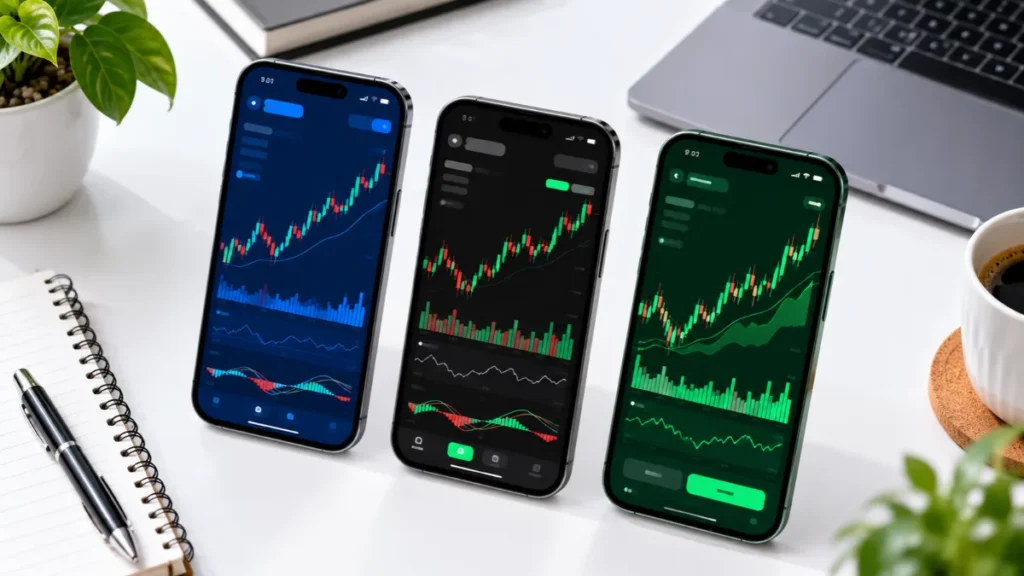
The table below reflects fee data as of September 2026, checked against each provider’s own fee page. Confirm current rates before you deposit, since providers update pricing often.
| Platform | Best For | ISA Fee | Min. to Start | FX Fee | Withdrawal Fee |
|---|---|---|---|---|---|
| Trading 212 | Best overall for beginners | £0 | £1 | 0.15% | £0 |
| Freetrade | Simple app, free Basic plan | £0 | £1 | 0.45% (Basic) | £0 |
| InvestEngine | Hands-off ETF portfolios | £0 | £100 | £0 (GBP ETFs) | £0 |
None of these three charge a platform fee or a dealing commission on their ISA. The gap that actually matters is the FX fee, and that only bites when you buy something priced outside GBP.
Trading 212 vs Freetrade vs InvestEngine for Beginners
Trading 212: The Strongest All-Rounder
Trading 212 charges no platform fee, no dealing commission, and no withdrawal fee across its Invest account, ISA, and newly launched SIPP. Its only real cost is a 0.15% FX fee, the lowest of the three. With over 4.5 million funded accounts and more than £25 billion in client assets, it has scaled fast without adding fees. The minimum trade value is £1, so your £100 stretches across several positions from day one. Choose Trading 212 if you want the lowest ongoing cost with no compromise.
Freetrade: Best for a Clean, Simple App
Freetrade removed all account fees on its Basic plan from January 2026, so the ISA and SIPP are now free to hold. Fractional shares start at £1, matching Trading 212’s entry point. The tradeoff is its FX fee: 0.45% on the free plan, dropping to 0.39% only if you pay for the Plus tier at £11.99 a month. Choose Freetrade if the interface matters more to you than shaving off fractions of a percent on currency conversion.
InvestEngine: Best for Hands-Off ETF Investing
InvestEngine charges no platform fee and no FX fee at all, because its DIY portfolios hold GBP-denominated ETFs. The catch is the £100 minimum, and it does not pay interest on cash sitting uninvested, unlike Trading 212. It also has no CFD arm, which keeps the platform focused purely on long-term investing. Choose InvestEngine if you want a portfolio you barely have to think about after setting it up.
The Fees That Don’t Show Up on the Homepage
Zero commission is the headline every platform leads with. It is not the full cost.
FX Fees Add Up Faster Than You Think
Every time you buy a US or European stock, the FX fee applies. On Freetrade’s Basic plan, that is 0.45% every single trade. Over a year of regular investing, that gap between 0.15% and 0.45% becomes real money, the kind of hidden cost that separates casual investors from the sharper, more deliberate approach behind how smart money actually operates versus retail investors.
Deposit Fees Above £2,000
Trading 212 charges a 0.7% fee once your cumulative card or e-wallet deposits pass £2,000. Bank transfers stay free with no limit. If you plan to deposit larger sums later, route them through a bank transfer from the start.
| Cost | Where It Hides | Your Move |
|---|---|---|
| FX fee | Charged on every non-GBP trade | Pick Trading 212 or InvestEngine for lower or zero FX cost |
| Card deposit fee | 0.7% above £2,000 cumulative (Trading 212) | Use bank transfer for larger deposits |
| Paid subscription tiers | Freetrade Plus costs £11.99/month | Stick to the free Basic plan while your balance is small |
| Stamp duty | 0.5% UK government tax on UK share purchases | Unavoidable on UK shares, factor it into your entry price |
Every one of these costs is avoidable or predictable once you know where to look. None of them appears in the “commission-free” headline.
Your First £100: A Step-by-Step Plan

A four-step plan to choose among the best trading platforms for beginners UK, confirm FCA authorisation, and invest your first £100 safely.
Step 1: Verify FCA Authorisation Yourself
Search the FCA register directly for the firm’s name and confirm it holds full authorisation, not just registration. This takes two minutes and removes the biggest risk you can actually control.
Step 2: Open the ISA, Not the General Account
Unless you have a specific reason not to, open the stocks and shares ISA from day one. It costs nothing extra on Trading 212, Freetrade, or InvestEngine, and it protects every future gain from tax.
Step 3: Buy Broad, Not Exciting
Put your £100 into a diversified ETF using fractional shares rather than one single company. Fear and overconfidence cause most beginner mistakes, a pattern well documented in the psychology behind why investors make irrational decisions.
Step 4: Automate the Next Deposit Before You Forget
Set up a recurring monthly transfer, even if it’s just £20. Consistency beats timing, and automating it removes the emotional decision entirely.
FAQ
What is the best trading platform for beginners in the UK?
Trading 212 is the strongest all-round choice for most beginners: zero platform fees, zero dealing commissions, and the lowest FX fee among the major free platforms.
Is Trading 212 safe and FCA regulated?
Yes. Trading 212 UK Ltd is authorised and regulated by the FCA, and client investments held with it are covered by FSCS protection up to £85,000, separate from the £120,000 limit that applies to cash deposits.
What does FSCS protection actually cover?
It covers you if an FCA-regulated firm fails and your money or assets go missing, up to £85,000 for investments and up to £120,000 for cash. It never covers a loss caused by the market falling.
How much money do I need to start trading in the UK?
£1 at Trading 212 or Freetrade, thanks to fractional shares. InvestEngine requires £100 to open a DIY portfolio.
Do UK trading apps charge hidden fees?
Commissions are usually £0, but FX fees, card deposit charges above certain thresholds, and paid subscription tiers can add real cost. Always check the FX fee before buying anything priced outside GBP.
What is the difference between a stocks and shares ISA and a general investment account?
An ISA shields your investment gains from Capital Gains Tax and Income Tax, with a £20,000 annual allowance. A general investment account offers no such shelter, so any UK beginner without a strong reason otherwise should default to the ISA.
Conclusion
You now understand the one thing most guides get wrong: FSCS protects £85,000 in investments and £120,000 in cash, and neither number protects you from a falling market. You know Trading 212, Freetrade, and InvestEngine each earn their place for different reasons, and you know exactly where the hidden fees sit.
£100 is not too small to start, and waiting for a “better moment” only costs you time the market would have used to compound. Open the ISA, verify the FCA registration, and place your first trade today.
Disclaimer: This article is for informational and educational purposes only and does not constitute financial advice. All investing carries risk, including loss of capital. Fees, minimums, and features change frequently, so verify current details directly on each provider’s official website before investing. MoneyUncut has no affiliate relationship with, and receives no compensation from, any platform mentioned in this article.
About the Author – Abhishek Chouhan
Abhishek Chouhan is a Global Finance Analyst and Market Researcher with over 15 years of experience studying stock markets, investor behavior, and long-term wealth cycles across the US, Europe, and Asia. He is the founder of MoneyUncut.com, a global financial intelligence platform focused on decoding market psychology, economic trends, and how human behavior shapes financial outcomes.